
Did you know over 40% of Australian adults avoid orthodontic treatment due to concerns about visible braces? Yet, a discreet solution has quietly revolutionised smiles for decades. Hidden behind the teeth, these custom appliances use cutting-edge technology to straighten smiles without compromising confidence.
Unlike traditional options, these systems sit near the tongue – making them completely invisible from the front. Recent advancements in 3D modelling and digital scanning have transformed this approach. Patients now enjoy slimmer designs and personalised treatment plans that adapt to their unique dental structure.
Professionals, performers, and everyday Aussies increasingly choose this method for its subtlety. While alternatives like Invisalign® offer removable trays, fixed hidden systems provide constant adjustment. This makes them ideal for complex cases requiring precise control over tooth movement.
Key Takeaways
- Completely hidden orthodontic solution for discreet treatment
- Advanced 3D technology ensures comfort and precision
- Popular choice for image-conscious adults and teens
- Offers fixed correction unlike removable aligners
- Custom-designed for individual dental needs
- Maintains natural appearance during treatment
What Are Lingual Braces?
Innovative dental technology now offers a nearly invisible way to straighten teeth. These discreet systems use custom-made components fitted behind your dental arches, combining medical precision with everyday practicality.
Definition and Placement
Hidden orthodontic systems work through small brackets bonded to the back surfaces of teeth. Thin medical-grade wires connect these components, applying gentle pressure to guide teeth into alignment. This rear positioning keeps the entire apparatus completely concealed when smiling or speaking.
Customisation and Material Insights
Orthodontists use 3D digital scans to design each patient’s unique system. The process maps every contour of your dental anatomy, ensuring brackets fit snugly against rear tooth surfaces. Modern versions feature:
- Low-profile metal brackets that reduce tongue contact
- Heat-activated wires that adapt to mouth temperature
- Specialised bonding agents for secure long-term placement
These advancements make contemporary hidden systems more comfortable than earlier models while maintaining their effectiveness. Treatment plans often incorporate periodic adjustments to keep tooth movement on track without visible hardware.
How Lingual Braces Work
Behind every confident smile lies a carefully engineered process. These discreet systems use precise biomechanics to shift teeth into alignment while remaining completely unseen. Specialists combine dental science with digital innovation to create personalised treatment paths.
Mechanism of Tooth Movement
Hidden systems apply gentle pressure through medical-grade wires connected to rear-mounted brackets. This force triggers biological changes in the jawbone. Bone cells gradually reshape around tooth roots, allowing controlled movement.
Treatment progresses through regular adjustments. Orthodontists modify wire tension every 6-8 weeks to guide teeth along planned paths. Unlike front-mounted options, this approach requires specialised expertise due to complex tongue-side mechanics.
The Role of Customised Brackets and Wires
Each component is digitally designed using 3D scans of the patient’s mouth. Brackets fit perfectly against back tooth surfaces, while archwires adapt to mouth temperature for smoother adjustments. Key features include:
| Component | Traditional Systems | Hidden Systems |
|---|---|---|
| Visibility | Fully visible | Completely concealed |
| Adjustment Frequency | 4-6 weeks | 6-8 weeks |
| Treatment Duration | 18-24 months | 20-30 months |
| Comfort Features | Standard brackets | Low-profile design |
Advanced CAD technology ensures precise force distribution. This reduces discomfort while maintaining effective tooth movement. Patients appreciate how the system works invisibly behind the scenes to transform their smile.
The Lingual Braces Treatment Process
Modern orthodontics combines precision engineering with personalised care to create discreet smile transformations. This approach uses advanced digital workflows to deliver results that blend seamlessly into daily life. Every step focuses on comfort, accuracy, and maintaining your natural appearance throughout the journey.
Initial Consultation and 3D Digital Scans
The process begins with a detailed consultation where orthodontists assess your dental structure. Using 3D intraoral scanners, they capture precise measurements of your teeth and bite. This technology replaces messy traditional impressions, creating a digital blueprint for your custom system.
Specialists analyse these scans to design brackets that fit perfectly behind each tooth. The data gets sent to a dental laboratory for fabrication. Most patients receive their custom components within 8-10 weeks, ready for the next phase.
Fitting, Adjustments and Treatment Duration
During the fitting appointment, orthodontists bond each bracket to the back of your teeth using medical-grade adhesive. They attach a thin archwire that applies gentle pressure to guide movement. This session typically takes 90-120 minutes, with most people resuming normal activities immediately.
Adjustments occur every 6-8 weeks to modify wire tension and track progress. Treatment often takes slightly longer than traditional methods due to the complex mechanics involved. However, patients appreciate achieving their smile goals without visible hardware.
Benefits and Drawbacks of Lingual Braces
Choosing orthodontic treatment often involves balancing visible results with daily comfort. Hidden systems offer unique solutions for image-conscious individuals, though they require careful consideration of practical factors.
Why Patients Choose Discreet Options
Complete invisibility remains the standout advantage for professionals and socialites. Unlike front-mounted alternatives, these systems let users smile confidently during meetings or photos without revealing their treatment.
Natural saliva flow around rear-mounted components helps maintain oral hygiene. This constant cleansing action reduces plaque buildup compared to traditional methods. Fixed appliances also eliminate the risk of forgetting to wear aligners, ensuring uninterrupted progress.
Navigating Initial Challenges
Most people experience mild discomfort during the first fortnight as their tongue adapts. Temporary speech changes like slight lisps typically resolve within three weeks through regular practice.
Cleaning requires extra effort due to hard-to-reach areas. Orthodontists often recommend angled brushes or water flossers. While adjustment periods vary, most patients report feeling comfortable with their hidden appliances after 4-6 weeks.
Comparing Lingual Braces with Other Orthodontic Options
Selecting the right orthodontic solution involves weighing visibility against functionality. Three main approaches dominate modern treatment: traditional braces, hidden systems, and removable aligners. Each option suits different lifestyles and dental needs.
Traditional Braces vs. Hidden Systems
Metal brackets on front teeth remain the most recognisable treatment. Traditional braces work well for all ages but lack discretion. Hidden systems offer identical results through rear-mounted components, making them ideal for professionals and teens.
| Feature | Traditional Braces | Hidden Systems | Clear Aligners |
|---|---|---|---|
| Visibility | Highly visible | Completely hidden | Nearly invisible |
| Treatment Time | 18-24 months | 20-30 months | 12-18 months |
| Cost Estimate | $6,000-$9,000 | $9,000-$15,000 | $7,000-$10,000 |
| Compliance Needs | None | None | 22 hrs/day wear |
| Complex Cases | Effective | Superior control | Limited |
Clear aligners like Invisalign® suit mild corrections but depend on patient discipline. Missing wear time can extend treatment by months. Hidden systems provide constant adjustment without reliance on user habits.
Cost differences reflect manufacturing complexity. Traditional braces remain Australia’s most affordable option. For complex bite issues or complete discretion, hidden systems justify their premium pricing through precision results.
Who is a Candidate for Lingual Braces?
For many Australians, achieving a perfect smile doesn’t have to mean compromising their appearance. Hidden orthodontic systems appeal to those prioritising discretion without sacrificing clinical effectiveness. Let’s explore who benefits most from this innovative approach.
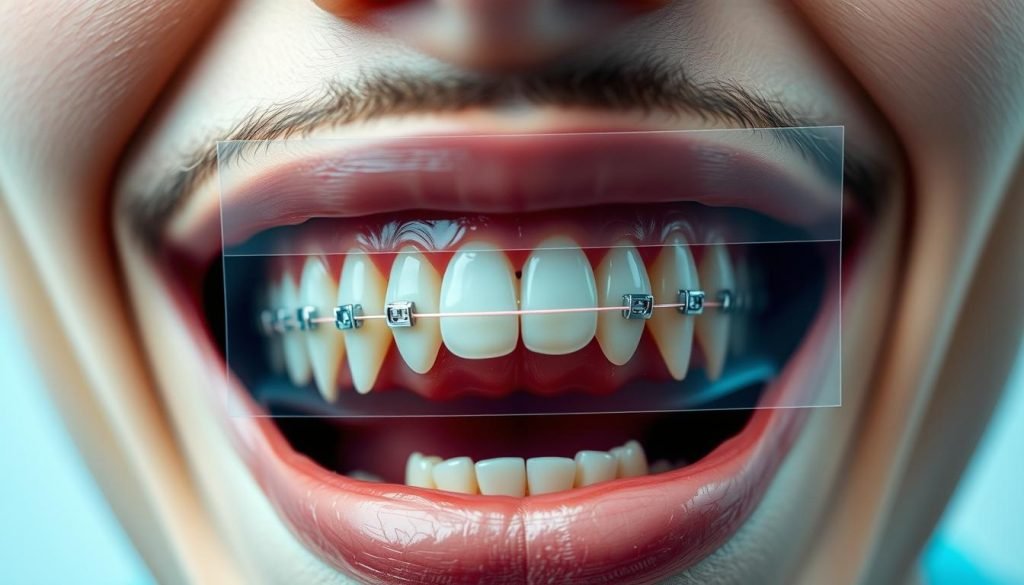
Identifying Ideal Patients
Professionals in client-facing roles frequently choose these systems to maintain polished appearances. Media personalities, executives, and sales representatives appreciate how rear-mounted appliances keep treatment private during meetings or public engagements.
Adults facing major life events also opt for this solution. One bride-to-be shared: “I wanted straight teeth for my wedding photos without guests noticing my treatment.” These systems work particularly well for people needing:
- Correction of severe crowding or deep overbites
- Precise control where clear aligners fall short
- Fixed appliances that don’t rely on daily compliance
Teenagers and young adults often prefer this method during socially sensitive years. While suitable for many, case selection remains critical. Orthodontists assess factors like:
- Tooth positioning complexity
- Oral hygiene habits
- Commitment to adjustment appointments
Specialists use 3D modelling to predict outcomes, ensuring each treatment plan delivers results discreetly. While not universal, this option transforms smiles for those valuing both aesthetics and functionality.
Lingual Braces Investment: Cost and Payment Options
Investing in a discreet smile requires careful financial planning. Hidden orthodontic systems combine advanced technology with specialist expertise, reflecting in their pricing structure. Let’s break down what shapes this investment and how Aussies manage it.
Understanding Treatment Costs
Custom-designed components and digital workflows drive pricing for hidden systems. Unlike standard braces, each bracket gets individually crafted using 3D scans. This precision manufacturing adds value but increases initial outlays.
| Feature | Traditional Braces | Hidden Systems |
|---|---|---|
| Average Cost | $6,000-$9,000 | $8,000-$14,500 |
| Customisation | Standard brackets | 3D-printed components |
| Payment Plans | Basic instalments | Interest-free options |
| Treatment Time | 18-24 months | 20-30 months |
Melbourne clinics typically charge $8,000-$10,000 for single-arch treatment. Full-mouth solutions range higher at $12,000-$14,500. Geographic location and case complexity further influence final quotes.
Most practices offer flexible payment solutions to ease budgeting. Initial deposits start around $2,000, with interest-free plans spreading costs over 12-24 months. Many include free 3D scans and Medicare-eligible X-rays in consultation packages.
While upfront costs appear steep, patients gain lifelong benefits. Proper alignment reduces future dental issues, while confidence boosts often enhance personal and professional opportunities. As one Sydney orthodontist notes: “This investment reshapes smiles and self-perception simultaneously.”
Maintaining Your Smile with Lingual Braces
A radiant smile during treatment starts with smart daily habits. Custom orthodontic systems require specific care to protect both your teeth and investment. Simple adjustments to your routine ensure effective results while keeping your dental health on track.
Essential Care Strategies
Oral hygiene becomes crucial with rear-mounted appliances. Use angled brushes to clean around brackets, reaching areas traditional toothbrushes miss. Water flossers prove particularly effective for dislodging food particles near wires.
Limit crunchy or sticky foods that could damage components. Aussies love their caramel slices, but opt for softer alternatives like banana bread during treatment. Rinse with fluoride mouthwash daily to strengthen enamel around brackets.
Regular dental check-ups complement your home care routine. Most clinics recommend six-month cleanings to monitor gum health. This proactive approach helps maintain your smile’s foundation while achieving alignment goals.