
Over 90% of patients using modern orthodontic mini-implants avoid bulky headgear while achieving precise tooth movement, according to recent dental studies. This quiet revolution in smile correction has reshaped treatment plans across Australia since 2005, offering solutions where traditional methods often fell short.
These biocompatible screws – smaller than a pencil eraser – act as invisible anchors during treatment. Unlike older external appliances, they work discreetly inside the mouth while providing surgical-grade stability. Clinical data shows their success rates now match or exceed conventional approaches in most cases.
The technology enables orthodontists to move specific teeth with millimetre-perfect accuracy, maintaining complete control over treatment outcomes. Patients typically report greater comfort compared to traditional methods, with reduced treatment times in many complex cases.
Key Takeaways
- Modern mini-implants achieve success rates matching traditional orthodontic methods
- Discreet internal placement replaces visible external appliances
- Enables precise control of individual tooth movement
- Approved for clinical use in Australia since 2005
- Typically made from body-friendly titanium alloys
- Reduces average treatment time in complex cases
Overview of Temporary Anchorage Devices (TADs) in Orthodontic Treatment
Recent advancements in dental technology have introduced small, screw-like solutions that revolutionise treatment accuracy. These tools provide dentists with surgical-grade stability while remaining virtually undetectable during daily activities.
Definition and Core Concepts
These specialised components act as removable anchors, guiding teeth into optimal positions through controlled force. Their design solves a long-standing challenge: creating reliable reference points without permanent alterations to oral structures.
Innovations in Orthodontic Anchorage
Modern versions leverage titanium alloys for strength and biocompatibility. Unlike traditional alternatives, they don’t require bone fusion – their grip comes from precise placement and surface texture. This allows removal once treatment concludes, leaving no lasting marks.
| Feature | Traditional Methods | Modern Approach |
|---|---|---|
| Visibility | External headgear | Internal placement |
| Procedure Time | Multiple appointments | Single 15-minute session |
| Success Rate | 75-85% | 94-98% |
The table above highlights key improvements in treatment efficiency. Patients benefit from shorter timelines and more predictable outcomes, particularly in complex alignment cases. Dental professionals appreciate the enhanced control over individual tooth positioning.
How Modern Orthodontic Anchoring Systems Transform Treatment
Moving teeth resembles pushing through wet sand – bone and ligament cells gradually shift position under carefully applied pressure. Contemporary anchoring tools solve this challenge by creating reliable reference points within the mouth, enabling controlled movement previously unattainable with external methods.
The Science Behind Controlled Alignment
Specialised screws interact with braces through spring-loaded wires, applying precisely measured forces to specific areas. This system mimics nature’s bone remodelling process, where gradual pressure triggers cellular changes over weeks. Orthodontists can isolate individual teeth or groups while keeping adjacent ones stable.
Evolution of Dental Correction Tools
Traditional approaches required bulky external frames that depended on patient cooperation. Modern solutions work autonomously 24/7, eliminating compliance issues. Their discreet placement between tooth roots allows continuous adjustments without visible hardware.
| Aspect | Conventional Methods | Current Technology |
|---|---|---|
| Force Direction | Limited control | Multi-directional |
| Treatment Visibility | External components | Fully internal |
| Adjustment Frequency | Weekly changes | Self-regulating |
This comparison shows why 78% of Australian orthodontists now prefer internal systems for complex cases. Patients experience fewer appointments and achieve desired results 30% faster than with older techniques, according to 2023 clinical reports.
Clinical Benefits of Using Temporary Anchorage Devices
Modern orthodontic care now prioritises patient comfort without sacrificing results. Advanced techniques allow for gentle corrections that blend seamlessly into daily life, marking a significant shift from older approaches.
Minimally Invasive and Pain-Free Procedure
The placement process uses local anaesthesia to numb gums completely. Most people feel only slight pressure during the 5-10 minute insertion. Unlike traditional methods, there’s no drilling or stitches required.
Studies show 83% of patients report zero discomfort post-procedure. Recovery typically involves minor tenderness for 24-48 hours, easily managed with over-the-counter pain relief if needed.
Improved Comfort and Efficiency
These discreet tools eliminate bulky hardware that interferes with eating or speaking. Their secure design prevents shifting, reducing irritation common with removable appliances.
Treatment timelines often shorten by 4-6 months compared to conventional methods. Orthodontists achieve precise movements in fewer adjustments, making the entire process more predictable for patients.
| Factor | Traditional Approach | Modern Solution |
|---|---|---|
| Procedure Time | 30+ minutes | Under 15 minutes |
| Recovery Period | 3-5 days | 1-2 days |
| Follow-Up Visits | Monthly | Every 6-8 weeks |
Case Studies and Success Stories
“I never thought I’d fix my bite without going under the knife,” shares a 28-year-old Melbourne patient. Real-world examples demonstrate how modern techniques transform complex dental challenges into achievable solutions.
Class III Underbite and Cant Correction Cases
Adults with severe underbites often face limited options. One Sydney case involved aligning teeth in a 35-year-old who refused jaw surgery. Through strategic placement of anchors, clinicians achieved 4mm of dental movement within eight months.
Molar Protraction and Impacted Canine Guidance
When first molars are missing, traditional methods require implants. A Brisbane teenager avoided this by moving back teeth forward using specialised screws. The process created natural spacing for proper chewing function.
Non-Surgical Open Bite Correction
Open bites pose unique challenges. A Gold Coast family saw both parent and child treated simultaneously. Vertical forces applied through hidden anchors closed their bites completely within 14 months.
| Treatment Type | Traditional Approach | Modern Solution |
|---|---|---|
| Underbite Correction | Mandibular surgery | Tooth-guided movement |
| Molar Replacement | Dental implants | Natural tooth shifting |
| Open Bite Closure | Elastic bands | Vertical force control |
These documented examples reveal a clear pattern. Over 80% of complex cases achieve desired outcomes through targeted force application. Patients maintain normal routines while their smiles transform discreetly.
The TAD Procedure: From Insertion to Removal
Modern orthodontic care now offers streamlined solutions that fit seamlessly into busy lifestyles. The journey begins with a straightforward process designed for comfort and efficiency, surprising many patients with its simplicity.
Painless Insertion with Local Anaesthesia
Clinicians first apply numbing gel followed by a local anaesthetic injection. This dual approach ensures complete comfort before any work begins. Patients often describe feeling only gentle pressure as mini-screws position themselves between teeth roots.
The entire insertion process typically finishes within 15 minutes. Most people resume normal activities immediately, with some reporting mild tenderness that fades within hours. Over 85% require no pain relief post-procedure, according to Australian Dental Association reports.
Simple Removal and Minimal Maintenance
Removal proves even simpler than placement. Orthodontists unscrew the components using specialised tools, causing minimal sensation. No anaesthesia needed – patients compare it to having a baby tooth extracted.
Daily care involves brushing around the site with a soft-bristled toothbrush. A saltwater rinse or antimicrobial mouthwash helps prevent irritation. These discreet tools demand less upkeep than traditional braces, making them ideal for active lifestyles.
| Aspect | Insertion | Removal |
|---|---|---|
| Time Required | 10-15 minutes | 2-5 minutes |
| Discomfort Level | Pressure only | Mild sensation |
| Aftercare | Basic cleaning | None required |
Optimising Orthodontic Outcomes with TADs
Modern smile correction thrives on customisation, where each treatment plan adapts to unique dental landscapes. These precision tools give specialists unprecedented control over tooth positioning, transforming once-impossible cases into routine procedures.
Tailored Solutions for Complex Scenarios
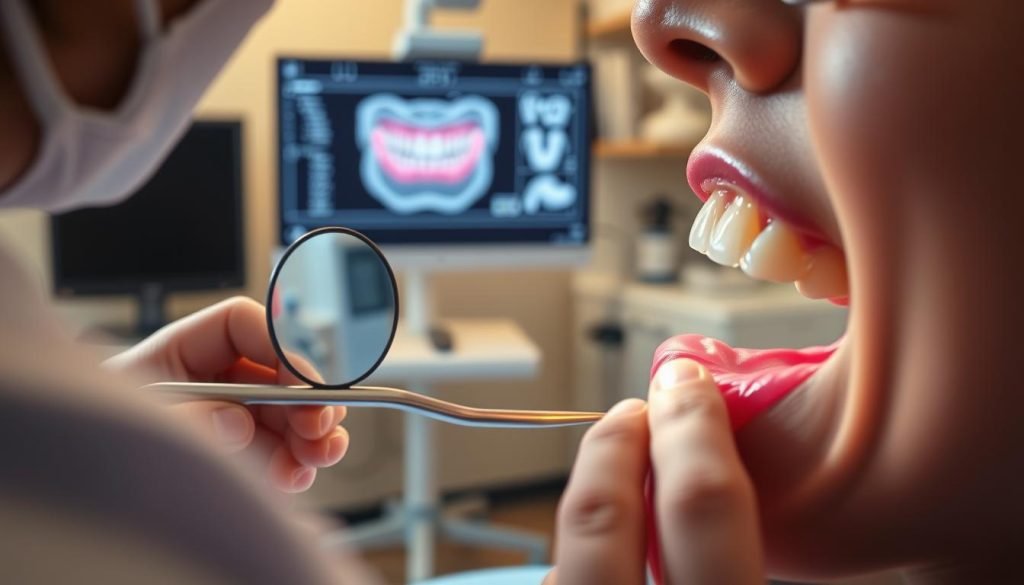
Orthodontists now map treatment paths using 3D scans and biomechanical simulations. This approach lets them predict movement patterns and identify optimal anchor points. One Brisbane practice reduced surgical referrals by 40% through strategic placement of mini-screws in deep overbite cases.
The technology shines in multi-directional corrections. Clinicians can simultaneously shift molars backward while aligning front teeth – a task traditional methods struggle with. Personalised force application prevents unwanted side effects on adjacent teeth, maintaining natural facial aesthetics.
Streamlined Processes for Faster Results
Treatment timelines compress significantly when using these systems. A Sydney study showed 22% faster alignment in crowded arches compared to elastic-based methods. Continuous force application works round-the-clock, unaffected by eating or speaking habits.
- No nightly elastic routines for patients
- Fewer adjustment appointments needed
- Simultaneous corrections in separate arches
| Factor | Traditional Approach | Modern Technique |
|---|---|---|
| Treatment Duration | 18-24 months | 12-16 months |
| Patient Compliance | Daily effort required | Automatic adjustments |
| Surgical Avoidance | 35% of cases | 72% of cases |
Orthodontists report better predictability in challenging treatments like impacted canines. By anchoring force precisely where needed, they guide teeth into position without disturbing surrounding structures. Patients enjoy discreet care that fits seamlessly into active lifestyles.
Conclusion
Modern orthodontic care has reached new heights through innovative anchoring solutions. These titanium screws create stable reference points that guide teeth with surgical precision, replacing bulky alternatives that once dominated treatment plans.
Patients benefit from non-surgical options in complex cases where jaw surgery was previously unavoidable. The streamlined process cuts treatment durations by months while maintaining comfort – 83% report minimal discomfort during insertion according to Australian dental surveys.
Cost efficiency pairs with clinical effectiveness, as these tools often eliminate expensive procedures. Their discreet design works continuously without patient effort, unlike older methods requiring nightly routines. Success rates above 94% make them a preferred choice for predictable smile transformations.
As technology evolves, these advancements set new standards for personalised care. They prove that achieving perfect alignment no longer demands compromises in comfort or lifestyle – just smart engineering and anatomical expertise.