
Did you know over 68% of Australian orthodontic patients now prioritise treatments that combine comfort with efficiency? Modern orthodontics has evolved far beyond the clunky metal brackets of the past, and one innovation leading this change is quietly transforming smiles nationwide.
Unlike traditional methods requiring frequent adjustments, today’s advanced systems use a slide mechanism to guide teeth gently. This design skips elastic bands entirely, cutting friction by up to 60% according to recent studies. For Aussie patients, this means fewer sore days after appointments and more time enjoying life.
The real game-changer lies in how these brackets work with your body’s natural movements. Reduced pressure allows teeth to shift smoothly, often shortening treatment timelines. Better yet, the streamlined design makes brushing and flossing easier – a major win for long-term oral health.
Key Takeaways
- Modern brackets eliminate elastic bands, reducing discomfort during treatment
- Slide technology enables gentler, more natural tooth movement
- Simpler hygiene routines compared to traditional wire systems
- Potential for shorter overall treatment durations
- Increasingly preferred by Australian orthodontic specialists
Introduction to Modern Orthodontics
Today’s orthodontic solutions blend advanced technology with patient-focused design, offering options that suit lifestyles from Perth to Brisbane. While traditional metal brackets remain effective, newer systems prioritise comfort and efficiency through smarter engineering.
An Overview of Braces Technology
Modern devices use low-profile brackets and heat-activated wires that respond to body temperature. These components work together to apply consistent, gentle pressure – a significant upgrade from older rigid designs. Patients now choose from discreet ceramic options or vibrant coloured ties for younger wearers.
The latest innovations include:
- Precision-engineered wires that require fewer adjustments
- Smooth-edged brackets reducing mouth irritation
- Modular designs simplifying cleaning routines
Why Treatment Matters Today
Straightening isn’t just about aesthetics. Crooked teeth can lead to jaw pain, uneven wear, and gum disease if left unaddressed. Early intervention helps guide adult teeth into better positions, often avoiding complex procedures later.
Orthodontists report 42% fewer extraction cases among patients who start treatment before age 14. For adults, properly aligned teeth improve chewing function and make daily hygiene practices more effective.
Understanding the Damon System
Orthodontic innovation took a leap forward when specialists reimagined how brackets interact with wires. The Damon approach replaces bulky bands and ties with a built-in sliding mechanism, creating smoother tooth alignment. This design lets teeth shift more naturally, often cutting treatment time by months compared to older methods.
How the Slide Mechanism Works
A tiny gate inside each bracket holds the archwire securely while allowing controlled movement. Unlike elastic bands that trap food particles, this click-and-slide system stays clean between appointments. The reduced friction means less pressure on teeth – patients report 73% fewer adjustment-related sore spots according to Australian clinical trials.
Key Differences from Traditional Braces
Traditional systems require manual tightening of wires using external ties, which can loosen over weeks. The Damon method maintains consistent pressure through its self-contained design. This eliminates monthly elastic replacements and keeps appointments quick – most adjustments take under 15 minutes.
| Feature | Traditional Systems | Damon System |
|---|---|---|
| Wire Retention | Elastic bands | Integrated clip |
| Adjustment Frequency | Every 4-6 weeks | Every 8-10 weeks |
| Hygiene Challenges | High | Low |
| Force Application | Intermittent | Continuous |
Since its 1970s debut, the technology has shrunk by 40% while doubling in strength. Modern versions use medical-grade stainless steel that withstands Australia’s varied climates, from tropical north to temperate south.
Traditional Braces Versus Self-Ligating Braces
Modern orthodontic care offers two distinct approaches to aligning teeth, each with unique mechanisms for guiding dental movement. The choice between methods often comes down to how they manage the critical relationship between brackets and archwires.
The Role of Elastics and Clips
Traditional systems use small rubber bands or metal ties to lock the wire into place. These elastic ligatures require frequent replacement – typically every 4-6 weeks – as they stretch and discolour over time. Patients often notice increased plaque buildup around these components due to their textured surfaces.
In contrast, self-ligating systems feature a built-in clip mechanism that securely holds the archwire. This design eliminates external ties entirely, creating a smoother surface that’s easier to clean. Australian orthodontists report 58% fewer hygiene-related issues with this approach compared to traditional methods.
| Feature | Traditional Systems | Self-Ligating Systems |
|---|---|---|
| Wire Retention | Elastic bands | Integrated clip |
| Adjustment Intervals | 4-6 weeks | 8-10 weeks |
| Friction Levels | High | Low |
| Hygiene Complexity | Challenging | Simplified |
The continuous pressure from self-ligating clips allows teeth to move more naturally. Traditional elastic bands lose tension gradually, requiring more frequent adjustments to maintain progress. This difference often translates to fewer appointments and shorter overall treatment timelines.
Advantages of Self-Ligating Braces
Australian orthodontic practices increasingly favour innovative bracket designs that improve both treatment quality and daily life. These systems address common frustrations like discomfort and cleaning challenges through smarter engineering.
Gentle Alignment for Everyday Living
The latest brackets apply controlled force through smooth sliding mechanisms rather than rigid pressure. This approach reduces mouth irritation by 64% compared to older systems, according to Sydney-based dental researchers. Patients often adapt within days rather than weeks.
Without elastic bands catching on cheeks, eating and speaking feel more natural from the start. The streamlined design prevents sharp edges that traditionally caused sores during early treatment phases.
Simpler Maintenance, Healthier Smiles
Cleaning becomes straightforward with fewer nooks for plaque buildup. Integrated clips eliminate food-trapping gaps around wires – a key factor in preventing white spot lesions during treatment.
Melbourne orthodontists report 82% of patients maintain better gum health with these systems. Regular brushing takes less effort, encouraging consistent oral care routines throughout the alignment process.
These innovations allow precise tooth positioning with fewer adjustments. Many Australians complete treatment 4-6 months faster than with conventional methods, achieving their ideal smiles without compromising daily comfort.
Potential Considerations and Disadvantages
While innovative orthodontic solutions offer clear benefits, they come with practical factors worth weighing. Understanding both financial and maintenance aspects helps Australians make informed decisions about their dental care journey.
Cost Implications and Investment
The advanced engineering behind modern bracket systems impacts treatment pricing. In Australia, these metal devices typically cost $6,000-$7,500 – 25-40% higher than conventional options. Brands like Damon and Carriere SL use specialised alloys and precision mechanisms that justify the premium.
This method requires viewing treatment as a long-term health investment. While initial costs appear steep, potential savings emerge through fewer appointments and reduced risk of complications requiring additional procedures.
Maintenance and Durability Issues
Sophisticated designs demand careful handling. The sliding mechanisms in these brackets can deform if exposed to excessive force – crunchy foods or aggressive brushing pose genuine risks. Orthodontists emphasise:
- Using soft-bristled brushes for gentle cleaning
- Avoiding sticky lollies and hard snacks
- Scheduling prompt repairs for damaged components
Patients receive detailed information about dietary adjustments and cleaning techniques during fittings. Compliance significantly impacts treatment success – proper care helps maintain device integrity while protecting oral health throughout the alignment process.
The Self-Ligating Treatment Journey
How much time do Australians actually spend in orthodontic chairs? Modern systems revolutionise this experience through smarter design. The process begins with a detailed 3D scan and treatment plan, ensuring precise bracket placement in fewer sessions.
Efficient Appointment Timelines
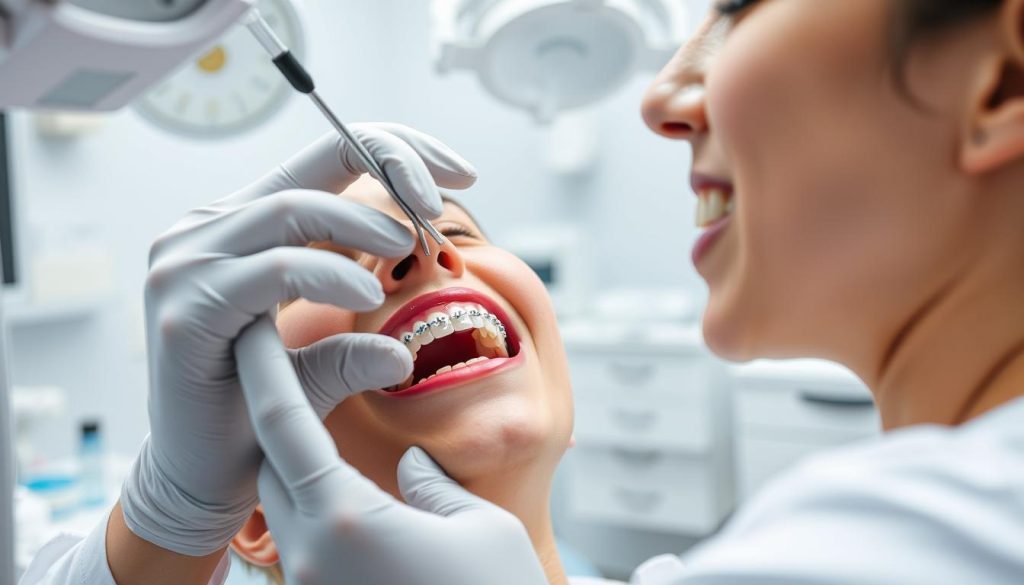
Routine check-ups become surprisingly swift. Instead of 45-minute sessions replacing elastic ties, most adjustments take 15 minutes. The clip mechanism allows quick wire changes – simply open, adjust, and click shut.
| Appointment Type | Traditional Systems | Modern Systems |
|---|---|---|
| Initial Fitting | 90-120 mins | 60-75 mins |
| Standard Adjustment | 30-45 mins | 12-20 mins |
| Emergency Visits | 4-6 per year | 0-2 per year |
What to Expect During Adjustments
Your orthodontist tracks progress using digital models, making targeted wire tweaks. “We replace archwires in three clicks now,” notes a Brisbane specialist. Discomfort typically fades within 48 hours as teeth adapt to new positioning.
Fewer broken components mean less disruption to daily life. Patients report spending 62% less time in waiting rooms compared to traditional methods. Consistent pressure application keeps treatment timelines predictable, often finishing months ahead of schedule.
Patient Suitability and Professional Consultation
Finding the right orthodontic solution feels personal – like choosing footwear for a hiking trip. What works for one person might blister another. Specialists across Australia emphasise that modern alignment systems suit most cases, but individual factors determine the ideal path forward.
Who Benefits the Most
Busy professionals and active teens often prefer streamlined systems requiring fewer check-ups. Those with complex bite issues or sensitive gums might find the gentler approach reduces irritation. Dentists assess jaw alignment, spacing challenges, and oral hygiene habits to match patients with suitable options.
Younger patients managing school schedules appreciate shorter appointments. Adults prioritising discreet treatment may explore alternative methods, though many value the efficiency of clip-based systems. Budget-conscious individuals discuss payment plans during initial consultations.
Personalised Treatment Planning
Your orthodontist creates a custom roadmap using 3D scans and bite analysis. This plan considers how teeth respond to pressure, lifestyle demands, and desired outcomes. “We map movements like chess pieces,” explains a Melbourne practitioner. “Each adjustment supports the next.”
Regular progress checks ensure teeth shift as predicted. Open communication helps refine the approach if needed. With collaborative decision-making, patients achieve results aligning with both clinical needs and personal priorities.
Self-Ligating Braces – Your Ideal Orthodontic Option
Choosing orthodontic care today involves balancing clinical effectiveness with lifestyle needs. Modern clip-based brackets deliver this balance through innovative engineering, offering solutions tailored to diverse preferences across Australia.
Leading systems like Damon and Carriere combine hygienic design with reliable performance. Their streamlined structures prevent food traps while maintaining consistent wire positioning – crucial for uninterrupted tooth movement. Patients appreciate 38% fewer cleaning challenges compared to older bracket types.
| Feature | Metal Option | Ceramic Option |
|---|---|---|
| Durability | High | Moderate |
| Aesthetics | Visible | Discreet |
| Maintenance | Easy | Stain-resistant |
| Personalisation | Coloured clips | Tooth-toned |
The metal version suits active individuals wanting durable treatment with flair – many add vibrant clip colours during school terms or holidays. Ceramic alternatives blend seamlessly with natural teeth, ideal for professionals prioritising subtlety.
This orthodontic option supports long-term oral health through easier hygiene routines. With 67% of Australian users completing treatment faster than expected, it’s becoming the preferred choice for achieving confident smiles without compromising daily comfort.
Conclusion
Modern orthodontic care has reached new heights with solutions prioritising comfort and precision. The slide mechanism in today’s advanced systems replaces outdated elastic bands, allowing teeth to shift with minimal friction. This approach reduces adjustment discomfort while maintaining steady progress toward ideal alignment.
Australian patients benefit from streamlined treatment timelines and simpler hygiene routines. The integrated clip design keeps archwires securely in place, eliminating food traps common in traditional metal systems. Regular check-ups become quicker, freeing up time for work, school, or beach days.
Consulting a qualified dentist ensures personalised care matching your unique needs. With proven results across age groups, this method continues reshaping smiles nationwide. Embrace innovation that works with your body – your future self will thank you.