
Did you know over 60% of Australian teens require orthodontic intervention for jaw alignment issues? A modern solution gaining traction combines comfort with precision – a removable device that reshapes smiles by guiding jaw growth. This method tackles misalignment at its source, offering results traditional braces can’t achieve alone.
The system uses two custom-made plates that sit comfortably against the teeth. These work together to encourage natural forward movement of the lower jaw. Patients appreciate the flexibility to remove the device during meals or sports, making daily life easier compared to fixed alternatives.
Orthodontists favour this approach for growing patients because it harnesses natural development. Early treatment often reduces later complications, creating better facial balance. Properly timed intervention can shorten overall treatment duration while delivering lasting results.
Key Takeaways
- Modern alternative to fixed braces for jaw correction
- Two-part system encourages natural jaw adjustment
- Removable design simplifies eating and cleaning
- Most effective during growth spurts (ages 8-14)
- Reduces need for complex treatments later in life
- Improves facial profile while aligning bites
Introduction to Removable Jaw Repositioning
Imagine correcting bite issues without permanent metalwork. Modern orthodontics uses discreet acrylic devices that guide jaw development through gentle pressure. This approach works best during growth phases, offering adaptable solutions for common alignment problems.
What Makes This Device Unique?
The system features custom-made acrylic components moulded to fit upper molars and lower bicuspids. Clear or pink-coloured pads create a subtle appearance while encouraging proper bite formation. Unlike fixed braces, these components work together like puzzle pieces to reposition the jaw naturally.
Patients enjoy freedom rarely seen in orthodontic care. The design allows removal during meals or contact sports – no food restrictions or mouthguard hassles. This flexibility makes daily hygiene routines simpler, as brushing occurs without obstructions.
Why Removability Matters
Detachable treatment tools reduce patient anxiety, particularly among younger users. Parents appreciate how children adapt quickly to wearing schedules. Orthodontists highlight improved compliance rates compared to fixed alternatives.
Regular removal enables thorough cleaning of both teeth and device surfaces. This minimises plaque buildup risks associated with permanent fixtures. The approach suits active lifestyles, letting teens maintain sports commitments without treatment interruptions.
The Science Behind Jaw Repositioning
Modern orthodontics combines biomechanics with biology to guide jaw development. Specially designed components work with natural growth patterns, creating lasting changes without surgery. This approach relies on precise engineering that directs bone and tissue adaptation.
How the Device Aligns Upper and Lower Jaws
The system uses interlocking components that guide the lower jaw forward during everyday activities. When biting occurs, angled surfaces create gentle pressure. This encourages muscles and joints to adapt to a healthier alignment.
Research shows consistent use reshapes the jaw’s resting position. The process mimics natural growth patterns, making changes more stable over time. Patients often notice improved facial balance within months.
The Role of Acrylic Components
Custom-moulded acrylic elements serve two key functions:
- Provide comfortable surfaces for teeth to rest against
- Create precise angles that direct jaw movement
These components work like training wheels for the bite. Each chewing motion reinforces proper alignment. Over weeks, the body accepts the new position as normal.
Orthodontists adjust the acrylic elements monthly to maintain optimal pressure. This gradual approach prevents discomfort while achieving permanent results. The method proves particularly effective during growth spurts when bones respond best to guidance.
Benefits of Twin Block Appliance Treatment
Young patients often achieve better outcomes when their treatment aligns with natural growth patterns. This approach combines gentle guidance with practical design, offering advantages that extend beyond basic alignment correction.
Comfort and Ease of Use
The streamlined design features smooth acrylic surfaces instead of bulky wires. Many users report minimal mouth irritation, even during initial adjustment periods. This makes daily wear more manageable compared to traditional alternatives.
Removable functionality simplifies eating and oral hygiene routines. Teens can enjoy favourite Aussie snacks like vegemite toast without restrictions. Speech patterns adapt quickly, with most adjusting within days rather than weeks.
Quick, Permanent Results in Bite Alignment
Visible changes often appear within 4-6 weeks as jaw muscles adapt. Consistent wear accelerates progress, with full correction typically achieved in 9-12 months. These timeframes make it ideal for families planning around school schedules.
Long-term stability comes from working with natural growth rather than forcing changes. The method reduces relapse risks, meaning fewer patients require follow-up treatments. Final outcomes often enhance facial symmetry while creating balanced smiles.
Patient Suitability and Treatment Process
Choosing the right orthodontic approach depends on age, growth stage, and alignment needs. This section explains who benefits most from removable jaw correction methods and what families can expect during care.
Ideal Candidates: Children and Teens
Removable devices work best for 8-14 year-olds experiencing active jaw growth. During this window, bones adapt more readily to gentle guidance. Orthodontists assess facial development and cooperation levels before recommending this path.
Young patients with mixed dentition (some baby teeth remaining) often see optimal results. The system capitalises on natural growth spurts to reposition jaws without invasive procedures. Regular check-ups ensure the device remains effective as facial structures change.
Treatment Duration and Progression
Most cases require 9-12 months of consistent wear to achieve proper alignment. Initial adjustments focus on guiding jaw position, while later phases refine bite relationships. Progress depends on daily compliance – devices typically need 16+ hours of wear.
After completing this phase, many patients transition to braces for final tooth positioning. This two-step approach addresses both skeletal alignment and individual teeth placement. Monthly reviews allow orthodontists to track changes and adjust pressure points as needed.
Successful outcomes rely on teamwork between clinicians and families. Parents play a key role in encouraging consistent device use, while teens learn responsibility through self-care routines. Together, they create foundations for lifelong oral health.
How Twin Block Appliance Works
Effective orthodontic solutions combine smart engineering with biological responses. The system uses custom components that interact with natural chewing patterns to reshape facial structures gradually.
Mechanics of Jaw Repositioning
Interlocking acrylic elements create guided pressure points during biting and speaking. These surfaces encourage the lower jaw to sit forward, training muscles and joints into healthier positions. Over weeks, this becomes the new resting alignment.
Orthodontists schedule monthly check-ups. These visits allow precise tweaks to the device’s angles and fit. Adjustments account for growth spurts and ensure consistent progress without discomfort.
Adjustability and Regular Orthodontist Reviews
Three factors make regular reviews crucial:
- Acrylic components get reshaped to maintain optimal pressure
- Bite relationships evolve as treatment progresses
- Facial development requires ongoing calibration
Patients who attend all appointments typically complete treatment 20% faster. The process becomes a partnership – families follow wear schedules while clinicians refine the approach. This teamwork delivers balanced results that last into adulthood.
Wearing Guidelines and Lifestyle Tips
Maintaining an effective orthodontic routine requires balancing daily life with treatment goals. Proper use patterns ensure devices work as intended while accommodating school, sports, and social activities.
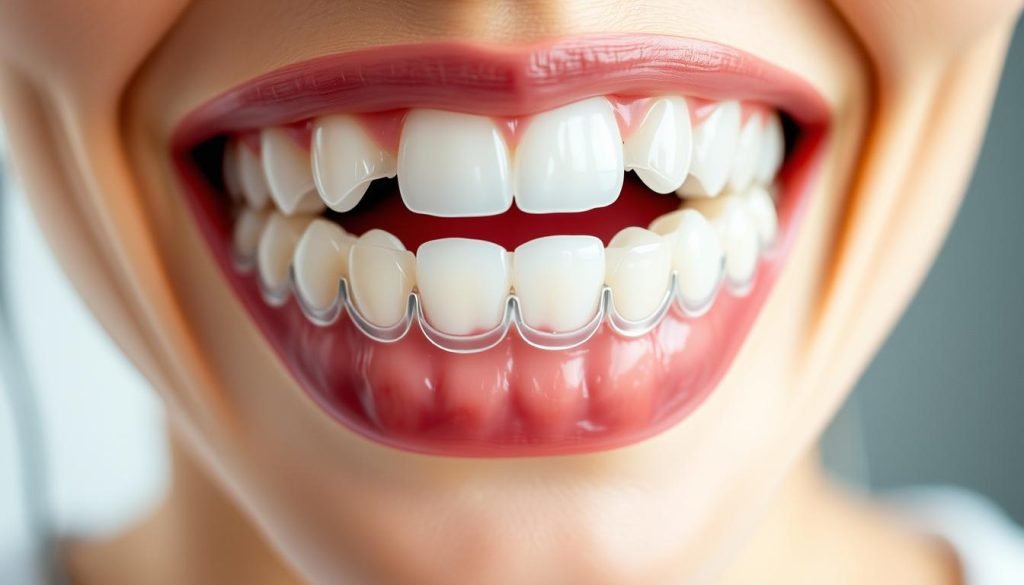
Full-Time Wear and Activity Adjustments
Treatment success depends on consistent use throughout the day and night. Most patients achieve best results by keeping their device in place for 18-24 hours daily, only removing it for:
- Mealtimes (initially)
- Brushing teeth
- Contact sports like rugby or AFL
- Swimming sessions
Nighttime wear proves particularly important for guiding jaw growth during sleep. Many users adapt within weeks, eventually eating with their device in place. This adaptation boosts treatment efficiency by maximising wear time.
Athletes should use protective cases during sports activities. Establishing clear routines helps balance treatment with school commitments and weekend plans. Orthodontists often suggest wearing charts or phone reminders to maintain consistency.
Remember: every hour without the device adds extra days to your treatment timeline. Families who stick to schedules typically complete correction within 9-12 months – just in time for high school milestones or summer breaks.
Customised Treatment and Appliance Care
Personalised orthodontic care ensures devices work effectively while maintaining oral health. Regular maintenance combines professional expertise with simple daily habits, creating a seamless treatment experience.
Monthly Adjustments for Optimal Fit
Orthodontists modify devices every 4-6 weeks to match facial changes. These tweaks maintain gentle pressure on growing bones while preventing discomfort. Precise calibration helps achieve:
| Adjustment Focus | Action Taken | Patient Benefit |
|---|---|---|
| Pressure Points | Reshape acrylic surfaces | Consistent jaw guidance |
| Comfort | Smooth rough edges | Reduced irritation |
| Hygiene | Clean internal components | Freshness & safety |
Easy Cleaning and Maintenance Routines
Removable design simplifies device care through three daily steps:
- Brush surfaces with soft-bristled toothbrush
- Rinse after meals using cool water
- Store in protective case when not worn
Weekly deep cleaning with denture tablets removes stubborn deposits. Patients maintain natural teeth hygiene through normal brushing – no special tools required. Monthly orthodontist visits include ultrasonic cleaning to preserve material integrity.
Proper storage prevents damage when the device leaves the mouth. Families receive a durable case with airflow vents to keep components dry. This routine prevents bacterial growth while extending treatment tool lifespan.
Innovations in Orthodontics and Expert Insights
Orthodontic care has evolved significantly through pioneering research. Leading experts have transformed treatment approaches, making complex corrections more accessible and comfortable.
Dr Clark’s Contributions and the Twin Block Technique
Dr William Clark revolutionised orthodontics by developing the twin block method in 1977. His Scottish practice became the birthplace of this technique, earning him the British Orthodontic Society’s first distinction award. The approach set new standards for jaw correction, blending effectiveness with patient comfort.
Global recognition followed, including the IFUNA award for international impact. Today, the twin block technique remains a cornerstone in modern orthodontic practice, particularly for growing patients.
Advancements in Functional Appliance Design
Clark’s innovation continued with the 2004 introduction of TransForce Appliances. These nearly invisible devices correct arch form while aligning front teeth discreetly. Their design prioritises aesthetics without compromising functionality.
Modern versions allow natural speech and easier adaptation. This evolution reflects ongoing efforts to enhance user comfort while achieving precise dental corrections.