
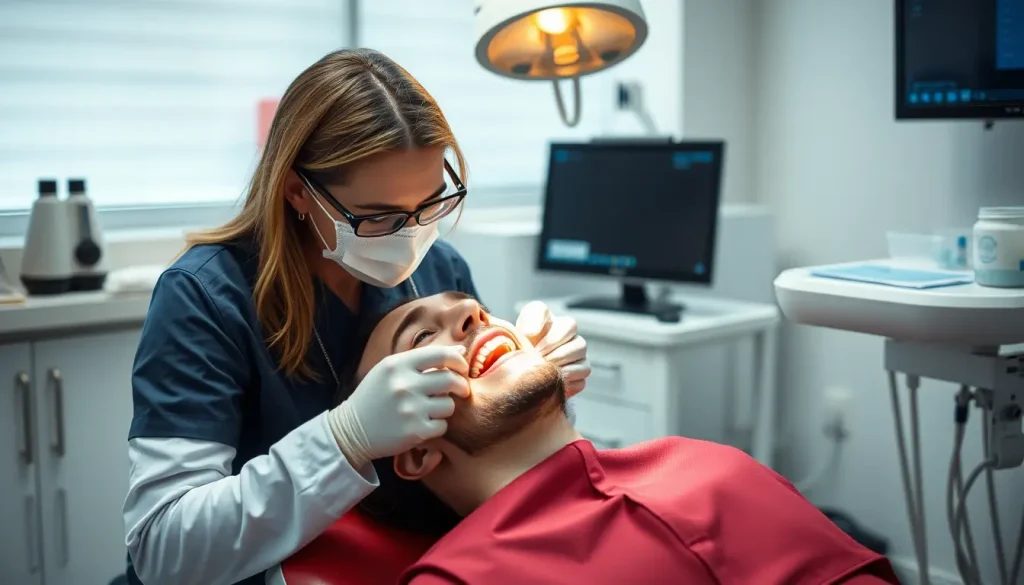
You have poor dental health when inadequate oral hygiene, genetic predisposition, diet, and lifestyle choices lead to issues like tooth decay, gum disease, and other conditions that impact your overall wellbeing and quality of life. These issues can arise from plaque buildup, bacterial infections, or injury, resulting in symptoms like tooth sensitivity, bad breath, swelling, and tenderness. Neglecting your dental health can also affect your overall health, increasing the risk of cardiovascular disease, diabetes complications, and respiratory diseases. Exploring the causes and effects can help you better understand the importance of maintaining good oral hygiene and tackling dental problems.
Causes of Poor Dental Health
Poor dental health can be attributed to a combination of factors, including inadequate oral hygiene habits.
- You may be more prone to poor dental health if you have a genetic predisposition or if you’re experiencing age-related changes.
- Dietary choices, lifestyle habits, and socioeconomic status can also impact your dental health.
- If you’re anxious about dental visits, you may be less likely to visit the dentist regularly, exacerbating the issue.
- Environmental factors, such as lack of access to clean water, can also contribute.
- In addition, certain medications can have negative effects on your oral health.
- The oral hygiene products you use can also make a difference.
Moreover, access barriers, such as lack of dental insurance or transportation issues, can hinder your ability to receive proper dental care.
Symptoms of Dental Problems
A toothache can be your body’s way of warning you that something’s amiss in your mouth. If you’re experiencing pain or discomfort, it’s essential to identify the underlying cause.
Some common symptoms of dental problems include:
- Tooth sensitivity or pain when consuming hot or cold foods and drinks
- Bad breath that persists despite regular brushing and flossing
- Swelling or tenderness in your gums or face
- Cracks or chips in your teeth
- Visible signs of tooth decay or cavities
If you’re experiencing any of these symptoms, it’s vital to schedule a dental appointment to prevent further complications.
Your dentist can diagnose the issue and provide the necessary treatment to alleviate your discomfort and restore your oral health.
Effects on Overall Health
Research has consistently shown that neglecting your dental health can have far-reaching consequences for your overall well-being. The oral systemic connection suggests that there is a link between your oral health and overall health, with research indicating that poor dental health can contribute to various systemic diseases.
| Systemic Disease | Oral Health Link |
|---|---|
| Cardiovascular Disease | Bacteria from gum disease can increase risk of heart disease |
| Diabetes | Research suggests a two-way link between gum disease and diabetes |
| Respiratory Disease | Bacteria from gum disease can be aspirated into the lungs |
| Alzheimer’s Disease | Research suggests a possible link between gum disease and Alzheimer’s |
Common Dental Health Issues
When you don’t practice good oral hygiene, you’re prone to common dental health issues like tooth decay and gum disease. Tooth decay issues occur when bacteria in your mouth break down food, especially sugars and carbohydrates, producing acid that damages tooth enamel. Gum disease problems arise when plaque, a sticky film of bacteria, builds up on your teeth and causes inflammation in your gums.
Tooth Decay Issues
Tooth decay issues are a prevalent concern in maintaining good oral health. When you don’t properly care for your teeth, it can lead to tooth decay, which causes dental cavities. If left untreated, tooth decay can progress and lead to more severe issues.
You may experience symptoms such as:
- Tooth sensitivity, especially when consuming hot or cold foods and drinks
- Visible holes or discoloration on the surface of your teeth
- Pain when biting or chewing
- Swelling or tenderness in your gums
- Bad breath or an unpleasant taste in your mouth
Regular dental check-ups and good oral hygiene practices can help prevent tooth decay and detect dental cavities early on.
Gum Disease Problems
Gum disease problems are a common concern for many individuals struggling with poor dental health. You’re not alone if you’re experiencing red, swollen, or bleeding gums.
- Gum disease, also known as periodontal disease, is a bacterial infection that can cause inflammation and damage to your gums and surrounding tissues. If left untreated, it can lead to tooth loss. You may experience painful chewing, loose teeth, or bad breath.
- Fortunately, there are treatment options available. Mild cases of gum disease can be treated with professional cleanings, antibiotics, or scaling and root planing. More severe cases may require surgical intervention.
- Early detection is key to preventing further damage. Regular dental check-ups can help identify gum disease problems early on, allowing you to seek treatment and maintain good oral health.
Risks of Untreated Conditions
Untreated dental conditions can lead to severe and potentially life-threatening complications. If you don’t address dental problems, you’re at risk of developing more serious issues. Dental anxiety and socioeconomic factors can also contribute to poor dental health, as they may prevent you from seeking regular check-ups and necessary treatments.
Some risks associated with untreated dental conditions include:
- Increased risk of heart disease and stroke due to bacterial spread
- Respiratory infections, such as pneumonia, from aspirated bacteria
- Malnutrition and weight loss due to difficulty eating and digesting food
- Osteoporosis and jawbone loss from gum disease
- Increased risk of diabetes complications due to inflammation and infection
Importance of Good Oral Hygiene
Maintaining good oral hygiene is key to preventing the severe complications that can arise from neglected dental conditions. You can achieve this by adopting effective oral hygiene practices and dental care routines. Regular brushing with fluoride toothpaste, ideally twice a day, helps remove plaque and prevent tartar buildup. Flossing daily, preferably before bed, removes trapped food particles and plaque from between teeth and below the gumline. Additionally, rinsing with antibacterial mouthwash can further reduce bacterial growth.
It’s essential to visit your dentist regularly for check-ups and cleanings to identify and address any potential issues before they escalate. By prioritizing your oral hygiene, you can greatly reduce the risk of developing severe dental conditions.
Factors Influencing Dental Health
Influencing your dental health are various factors, ranging from genetics and lifestyle choices to socioeconomic status and environmental conditions. These factors can greatly impact the state of your oral health, making you more prone to dental problems.
Some of the key factors that affect your dental health include:
- Genetics: inherited traits that can affect tooth development and oral health
- Dietary habits: consuming sugary and acidic foods and drinks that can lead to tooth decay
- Lifestyle choices: tobacco use, excessive alcohol consumption, and poor oral hygiene practices
- Socioeconomic status: limited access to dental care and health education
- Environmental conditions: exposure to fluoride-deficient water and other environmental toxins
Preventing Dental Health Problems
Your dental health can be protected through various preventive measures, reducing your risk of developing dental problems. One key aspect of prevention is maintaining a balanced diet with minimal dietary influences that can harm your teeth. Limiting sugary and acidic foods and beverages can help prevent tooth decay and erosion.
Regular dental checkups are also essential in preventing dental health problems. During these checkups, your dentist can identify and address any potential issues before they become severe. Additionally, practicing good oral hygiene habits, such as brushing and flossing, can help remove plaque and bacteria that can cause dental problems.
Frequently Asked Questions
Can Dental Health Issues Affect Mental Well-Being and Self-Esteem?
If you neglect your oral hygiene, dental issues can have a significant emotional impact on you, affecting your self-esteem and mental well-being, potentially leading to anxiety and depression due to pain and appearance concerns.
How Often Should I Replace My Toothbrush Head?
To maintain ideal toothbrush maintenance, you should replace your toothbrush head every 3-4 months or sooner if bristles become frayed, regardless of the bristle type, to guarantee effective cleaning and prevent bacterial buildup.
Are There Any Dental Health Concerns Specific to Children?
As a parent, you should be aware of childhood cavities, a common issue affecting kids’ dental hygiene. Regular brushing, flossing, and fluoride treatments can help prevent cavities, while early check-ups can detect problems.
Can I Still Get Dental Problems With Regular Brushing?
You can still develop dental issues despite regular brushing if your dental hygiene habits and brushing techniques are inadequate. Improper techniques, such as overbrushing or using excessive force, can lead to enamel wear and gum damage.
Are There Any Natural Remedies for Teeth Whitening?
You’re looking for natural alternatives to commercial teeth whitening products. Consider home remedies like oil pulling, baking soda, and charcoal. Additionally, incorporate whitening foods like strawberries, pineapples, and apples into your diet to help brighten your smile.
Conclusion
You’ve learned about the causes, symptoms, and effects of poor dental health. It’s clear that maintaining good oral hygiene is vital to preventing common dental issues and risks to overall health. Factors such as diet, lifestyle, and genetics can influence dental health. By understanding these aspects and taking preventive measures, you can minimize the risks of dental problems and promote overall well-being. Regular dental check-ups and self-care practices are fundamental to achieving ideal dental health.